Narrative as Infrastructure
In theme park design, storytelling is not an embellishment applied to a functional structure. It is the organizational system that gives the functional structure its purpose. The decision to build a roller coaster is a mechanical decision; the decision to frame that coaster as a chase sequence through a collapsing mine shaft is a narrative decision that transforms the experience from a sensation into a story with a setting, stakes, and continuity.
This distinction matters because narrative functions as a cognitive framework: it converts a sequence of physical events — acceleration, darkness, sudden drops — into a sequence of story events that the guest interprets through cause and effect rather than simply enduring as physical stimuli. Attractions built around coherent narratives typically produce stronger recall, deeper emotional engagement, and more differentiated memories than mechanically equivalent attractions without narrative structure.
Levels of Narrative Integration
Theme park narrative operates across several simultaneous levels, each functioning independently but designed to reinforce the others:
| Level | Scope | Design Vehicle |
|---|---|---|
| Park Narrative | Entire park | Gate architecture, central iconography, positioning tagline |
| Land Narrative | Themed land / zone | Environment design, ambient audio, land-specific characters |
| Attraction Narrative | Individual ride or show | Queue pre-show, load environment, ride sequence, unload area |
| Encounter Narrative | Single moment or location | Character meet-and-greet, environmental detail, embedded prop |
Effective park design maintains coherence across all four levels simultaneously. A guest standing in a queue has access to encounter-level narrative in the props and details surrounding them, attraction-level narrative in the pre-show content, land-level narrative in the audible ambient world, and park-level narrative in the visual identity that frames the entire environment.
Environmental Storytelling
Environmental storytelling is the practice of communicating narrative information through the physical arrangement of objects, materials, and spatial conditions — without dialogue, title cards, or explicit exposition. Skilled environmental storytelling allows a guest to read a location's history, current status, and the emotional register of its inhabitants from the environment alone.
Evidence of Events
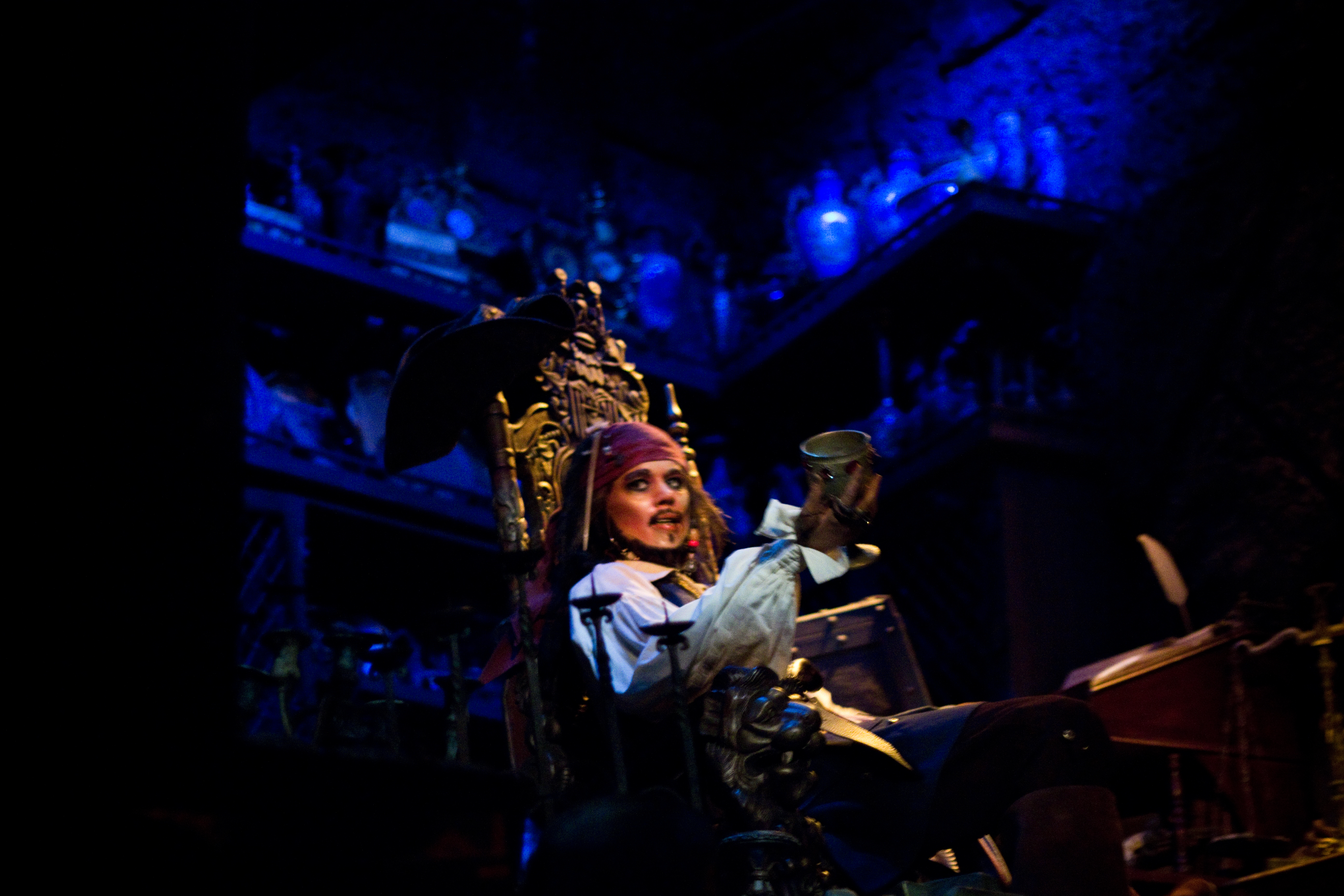
One of the most effective techniques is populating environments with evidence of events that have already occurred or are currently unfolding. A laboratory with overturned equipment and scorch marks implies an incident without narrating it. A market scene with abandoned goods and scattered coins implies sudden departure. These environmental conditions activate the guest's interpretive instincts, creating a form of participatory narrative: the guest constructs the story from evidence rather than receiving it passively.
Character Presence Through Absence
Characters can be made present in an environment through traces — a half-eaten meal, an unfinished letter, a tool dropped mid-use — without the character being physically present. This technique extends narrative capacity beyond the physical limits of performer availability and creates a quality of inhabited space that persists between character appearances.
The Pre-Show as Narrative Architecture
The pre-show — the narrative content delivered to guests during their wait in the queue or in a designated holding area before boarding — is one of the most powerful and consistently underutilized narrative tools in theme park design.
A well-constructed pre-show accomplishes several functions simultaneously: it establishes the narrative context for the experience about to occur, manages guest expectations about the experience's content and intensity, provides operational justification for the holding area (the story requires you to wait here), and begins the process of emotional engagement that the attraction will continue and intensify.
Pre-show design can deploy multiple media: video screens, audio-only environments, live-actor interactions, physical props and set dressing, and architectural conditions (darkness, unusual scale, deliberate temperature change). The most sophisticated pre-shows layer these media to create a graduated immersive experience rather than a simple information delivery mechanism.
Ride Narrative Structure
Attractions with dedicated narrative content typically follow a structural arc analogous to classical narrative forms:
- Establishing world state — the opening environment communicates the normal condition of the story's world
- Inciting disruption — an event or revelation introduces instability or threat
- Escalating stakes — the middle portion of the ride intensifies the narrative situation
- Climactic event — the experiential peak (often coinciding with the most intense mechanical moment)
- Resolution state — the unload environment signals the narrative's conclusion and the return to safety
This structure is not accidental — it mirrors the emotional arc that human audiences are most reliably primed to find satisfying through millennia of narrative tradition. Attractions that follow this arc tend to produce more consistent guest satisfaction than those that deliver intensity without narrative context.
Storytelling Context at BLVD World
For BLVD World Theme Park in Saudi Arabia, the storytelling challenge involves identifying source material and narrative frameworks that resonate with both domestic audiences and international visitors without flattening either audience's expectations. The Kingdom's storytelling traditions — including oral narrative, poetic forms, historical epic, and regional folklore — represent rich source material that has rarely been systematically adapted into theme park narrative frameworks at international scale.
Effective narrative design at BLVD World would require the construction of original attraction-level narratives that draw on this material while meeting the pacing, clarity, and emotional arc requirements of the medium. This is a design challenge distinct from IP-based park development, which can draw on pre-built audience familiarity; original narrative design must construct that familiarity within the attraction experience itself.